Microsoft Fabric Consulting Services
We architect and deploy Microsoft Fabric environments that unify your data estate from raw ingestion in OneLake to real-time analytics, Power BI reporting, and Copilot-powered AI on a single, governed platform built for enterprise scale.

Our Side of the Story
End-to-end Microsoft Fabric Implementation for Unified Data
Most enterprises do not fail at data because of bad technology. They fail because their data is fragmented across too many tools, teams, and pipelines. Microsoft Fabric is a cloud-based data analytics platform that unifies data engineering, data warehousing, data science, and business intelligence. MultiQoS brings changes aligned with 14+ years of enterprise data engineering experience. We architect and build DataLake pipelines, and wire Copilot into query and reporting workflows.
 Years of Experience
With over a decade of industry experience, we bring deep expertise, proven strategies, and reliable solutions that help businesses grow and succeed in a competitive market.
Projects Delivered
We have successfully delivered hundreds of projects across various industries, ensuring quality, innovation, and timely execution tailored to our clients’ needs.
Happy Clients
Our client-first approach has helped us build long-term relationships, earning trust through exceptional service, transparent communication, and measurable results.
What We Offer
Microsoft Fabric Consulting Services Built for Enterprise Data Teams
MultiQoS is one of the experienced Microsoft Fabric consulting services provider that covers every layer of your data platform, right from engineering, analytics, governance, and AI.
Before committing to a Microsoft Fabric rollout, you need to know what you are replacing, what you are keeping, and what the migration will cost. We conduct a full data estate assessment and deliver a phased adoption.
Book a Strategy Call NowTech Stack
Microsoft Fabric Native Stack
Every workload in your data platform, from ingestion to AI runs on a unified Microsoft Fabric architecture with a single copy of data in OneLake.
| Category / Workload | Technology / Tools | Description / Purpose |
|---|---|---|
| Unified Storage | OneLake (ADLS Gen2 foundation) | Single copy of data for all Microsoft Fabric workloads |
| Data Integration | Microsoft Fabric Data Factory (Pipelines + Dataflows Gen2) | No-code / low-code data ingestion and orchestration |
| Data Engineering | Synapse Spark (Notebooks, Spark Job Definitions) | Large-scale data transformation using PySpark / Scala |
| Data Warehouse | Microsoft Fabric Warehouse (T-SQL engine) | Serverless SQL analytics on structured data |
| Lakehouse | Microsoft Fabric Lakehouse (Delta Lake format) | Open table format for structured and unstructured data |
| Real-Time Analytics | Eventstream + KQL Database + Real-Time Hub | Sub-second event processing and streaming analytics |
| Data Science | Microsoft Fabric ML Experiments + MLflow + Notebooks | Model training, tracking, and deployment |
| Business Intelligence | Power BI (Direct Lake mode) | Reports and dashboards with zero data copy |
| AI / Copilot | Copilot in Microsoft Fabric + Azure OpenAI Integration | AI-assisted querying, code generation, and data insights |
| Governance | Microsoft Purview + Microsoft Fabric Admin Portal | Data catalog, lineage, sensitivity labels, DLP |
| Data Sources | SQL Server, Oracle, PostgreSQL, MySQL, SAP, Salesforce, Dynamics 365, REST APIs | Integration with existing source systems |
| Cloud Platforms | Microsoft Azure (primary), AWS S3 (via Shortcuts), GCS (via Shortcuts) | Multi-cloud infrastructure connectivity |
| Streaming / Events | Azure Event Hubs, Azure IoT Hub, Apache Kafka, Azure Service Bus | Real-time event ingestion and orchestration |
| DevOps / CI-CD | Azure DevOps, GitHub Actions, Microsoft Fabric Git Integration | Unified version control and deployment pipelines |
| Orchestration | Microsoft Fabric Pipelines, Azure Data Factory (hybrid), Apache Airflow | Hybrid data workflow management |
| AI / ML | Azure OpenAI, Semantic Kernel, Azure ML, Microsoft Fabric AutoML | Advanced AI and machine learning integration |
| Security | Microsoft Entra ID (AAD), Microsoft Purview, Microsoft Fabric Workspaces RLS | Enterprise-grade access control and compliance |
| Monitoring | Azure Monitor, Microsoft Fabric Capacity Metrics App, Log Analytics | Performance tuning and system health tracking |
| Languages | Python, PySpark, SQL (T-SQL / KQL), DAX, Power Query M, Scala | Core development and analytical languages |
Leverage Data Platforms for Improved Revenue Generation
Most enterprises sit on underused data. Our Microsoft Fabric consulting services turn that data into a production-grade intelligence platform.
Schedule a Free Assessment
From Idea to Launch
A Consulting Model Built Around How Your Data Actually Flows
Every Fabric engagement starts with your data reality, not a template. We define the lakehouse architecture, structure the migration phases, and hand over a go-live plan your engineering and BI teams can control at every stage.


Industries We Serve
Microsoft Fabric Implementation Use Cases Across Industry Verticals
Most Microsoft Fabric implementations fail due to misalignment between platform capability and the specific data problem your industry actually has. We design Microsoft Fabric implementation engagements that operate inside your domain's actual constraints, not generic analytics frameworks applied on top of them.
- Manufacturing
- Retail and eCommerce
- Financial Services
- Healthcare
- Supply Chain
- Fintech
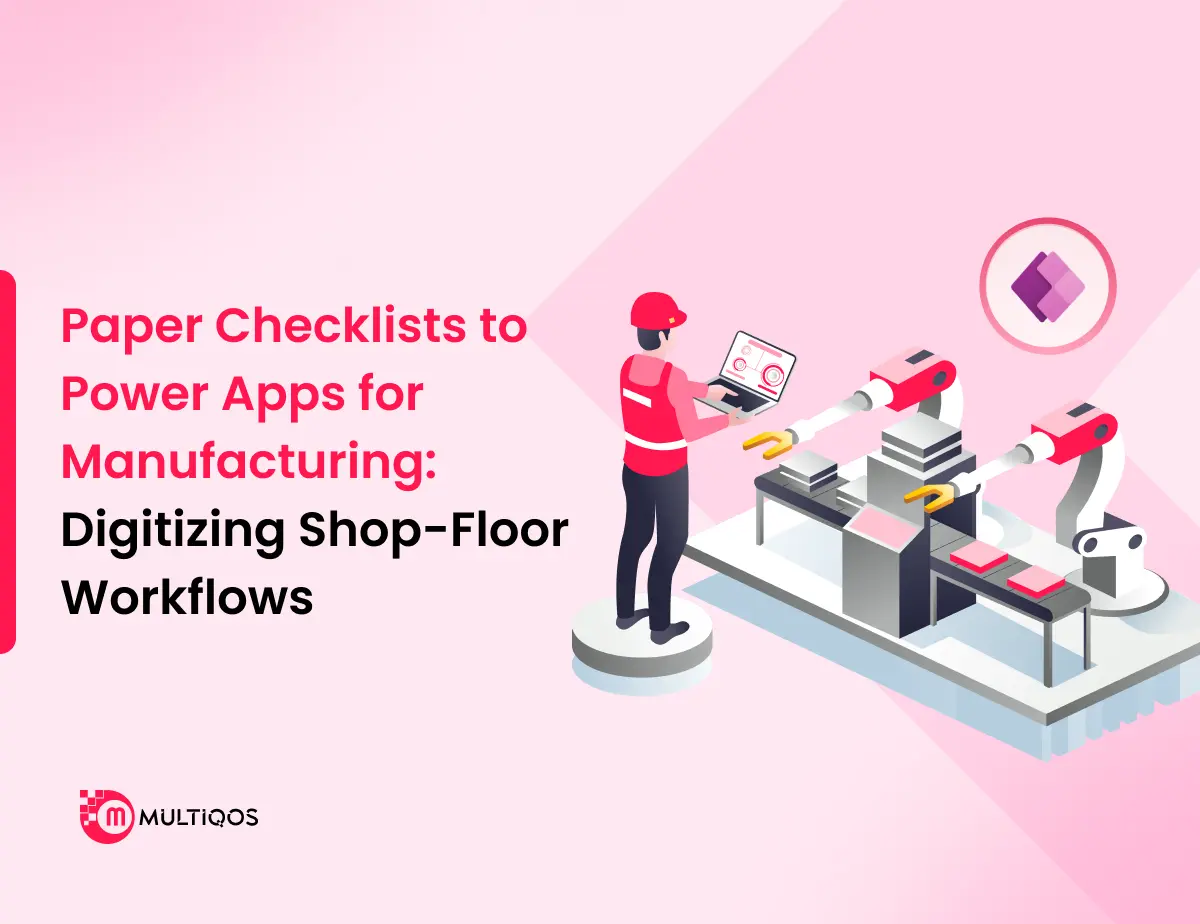
Our team deploys Microsoft Fabric real-time analytics using Microsoft Fabric Eventstream to collect live data from IoT sensors across the shop floor, routing it into KQL databases that power OEE dashboards and predictive maintenance pipelines. Energy consumption analytics and supplier quality monitoring run on Microsoft Fabric OneLake architecture, eliminating the need for separate storage infrastructure.
- Predictive Maintenance Pipeline
- OEE Real-Time Dashboard
- Energy Consumption Analytics
- Supplier Quality Monitoring
- Production Schedule Optimization
- IoT Event Processing Pipeline
- Shop Floor Performance Reporting

Why Choose Us
Why Enterprises Choose MultiQoS for Microsoft Fabric Implementation
Microsoft Fabric implementation is not a configuration task. It is an architecture decision with long-term consequences for data governance, query performance, and total cost of ownership. We offer Microsoft Fabric consulting services, ensuring end-to-end deployment to improve data insights.
Certified Experts Across the Full Microsoft Fabric Stack
Our engineers hold active DP-700 (Fabric Analytics Engineer), DP-203 (Azure Data Engineer), and PL-300 (Power BI) certifications across Azure Data Engineering, Power BI, and the Microsoft Fabric workload suite. When you partner with us, you get a certified Microsoft Fabric Capacity administrator who takes ownership of workspace configuration and security.
Architecture-First, Not Tool-First
Every engagement begins with a Data Architecture Blueprint delivered in Week 1. This document defines your medallion layer structure (Bronze ingestion, Silver cleansing with PII masking, Gold business aggregation), Delta table partitioning keys by query access pattern, and governance taxonomy before any pipeline is built. You see the full schema and data flow before approving sprint work.
Power BI Migration Without Report Rebuild
Our Direct Lake migration methodology preserves your existing Power BI report layer intact. We rewire the semantic model to Direct Lake mode, remap relationships to Delta tables in OneLake, and eliminate the import refresh schedule without requiring your report authors to touch a single dashboard. The result: sub-minute query response replacing multi-hour scheduled imports, and zero report rebuild cost on your team's side.
Real-Time Architecture Built for Production
We do not hand over a working Eventstream pipeline and leave retention and monitoring as a follow-up task. Every real-time architecture we deploy includes dead-letter queue handling, partition-level retry logic, consumer group isolation, and alerting thresholds configured before the first data flows. Monitoring is a sprint deliverable, not an afterthought.
Governance and Compliance Embedded
Microsoft Purview data catalog setup, OneLake lineage visualization, sensitivity label taxonomy, and DLP policy configuration are scoped into sprint 2 of every engagement. Not added as a separate workstream after you go live. By the time production data flows into Fabric, your catalog is populated, your lineage is visible, and your compliance team has a reviewable data map.
End-to-End Delivery with Managed Support
Our managed support service runs on monthly workspace health reports covering capacity utilization, pipeline SLA adherence, and query performance regressions. Capacity rightsizing reviews happen quarterly before you hit throttling, not after. Feature adoption, Fabric release notes, and workload optimization are standing agenda items, not reactive tasks triggered by incidents.
Our Process
How We Deliver Enterprise-Grade Microsoft Fabric Development Services
Microsoft Fabric implementation is a structured engineering program, and our teams deliver each phase aligning them with the business outcomes your business prioritizes.
Contact UsDiscovery & Assessment
We take stock of all the data your company currently has, where it lives, what systems it's in, and what tools you're already using. Then we create an implementation roadmap.
Architecture Design
Our experts map out exactly how your data will be organized. Think of it like designing the floor plan of a new house before breaking ground.
Foundation Build
We set up your new data environment, connect it to your company's security and login system, and make sure every change is tracked. Like a "version history" for your entire data platform.
Pipeline Development
Our teams construct pipelines that automatically extract data from all your current systems and bring it into a single location, and also ensure that data received is accurate and traceable.
Analytics & Power BI Layer
We customize your dashboards and reports, and we activate an AI assistant to help your users ask questions in natural language of the information displayed. No coding needed.
Testing & Hardening
We test the entire system at peak load before going online, looking for problems, security flaws and that all things work as advertised.
Deployment & Handover
We install Microsoft Fabric Platform, migrate your data, train and document your team and remain very available for 30 days to deal with any issues.
Managed Support
Once it's up and running, our teams track performance, enable your team to make the most of the platform over time, and review the platform set up quarterly to ensure everything is running smoothly.
Trusted by the Clients
Praising Voices Reflecting Our Dedicated Efforts
Client’s words are a testimonial to our commitment of delivering optimized business outcomes.

“Our vision was understood and they asked really detailed questions to find out what was required. A well-defined process was followed during the development process and the team captured requirements diligently. The team is also flexible enough to adjust to the schedule.”
CEO - Gameday Guide

“I am highly satisfied with their work. Our collaboration is seamless, and we have regular discussions with their developers to define tasks and ensure progress. We were particularly impressed with their excellent communication skills.”
Founder - Screeners Berlin

“I had the pleasure of working with a team that not only demonstrated exceptional punctuality but also made the entire experience enjoyable. Their commitment to timeliness was commendable, ensuring deadlines were met.”
Founder - Michael John Norton

“It's rewarding to work with a diligent and dedicated team. Excellent guys to work with! Always listened to my thoughts and came up with creative design solutions. Whenever you need them, they are available and eager to share their knowledge.”
CEO - Polished



FAQs
Frequently Asked Questions
What is Microsoft Fabric and how is it different from Azure Synapse?
Can you migrate our existing Azure Synapse and Power BI Premium environment to Microsoft Fabric?
What does Microsoft Fabric OneLake architecture mean for our data governance?
How does Microsoft Fabric Power BI migration to Direct Lake mode work?
What is the cost structure for Microsoft Fabric consulting services?
How do you integrate Microsoft Copilot into a Microsoft Fabric environment?
What industries have you deployed Microsoft Fabric consulting services for?
Do you offer Microsoft Fabric managed support after implementation?
Our Blog
Latest Insights
Keep up with the fast-paced world of technology through our expert research on current trends and innovations.